
2024
thank you for looking and listening, Betsy Gallery
solo exhibition at OxBow School of Art - during Longform Residencycolored pencil, graphite, marker, watercolor paper, tape, oak leaf, nail, rock, wisteria vine, cotton and paracord net, fluorite charm, lobster clasp, geode, small metal bead, magnifying clip, camouflage fabric swatch, metal leaf, angel box, ribbon, crabapple with a bite taken out of it (dried), acorn, moss, found grate, half of a plum pit, cotton thread, dust and sand pile swept to the rough center of the room, strand of braided milkweed seed fibers, two gifted feathers, two gifted butterfly wings
(Saugatuck, MI)
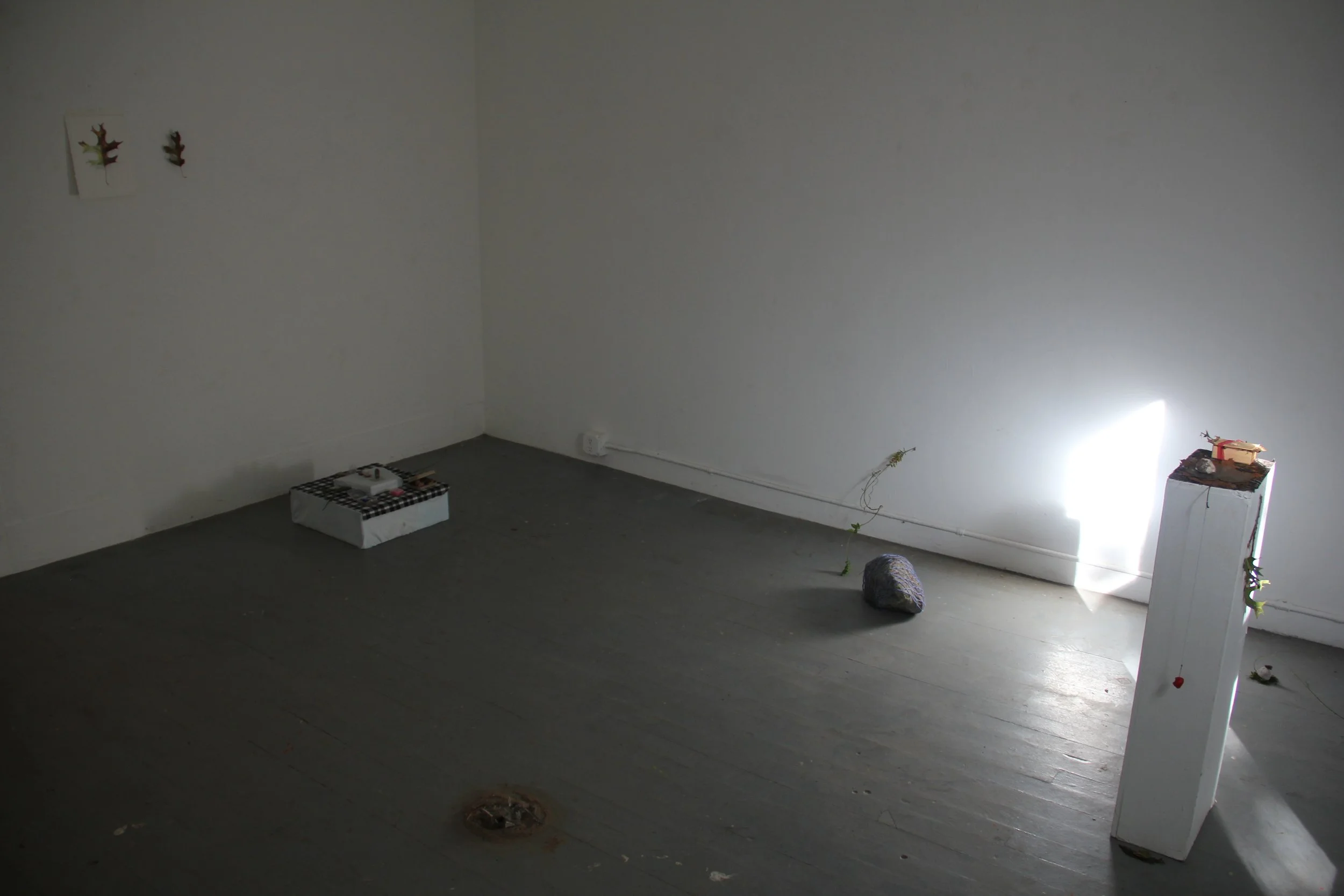
(install view i)
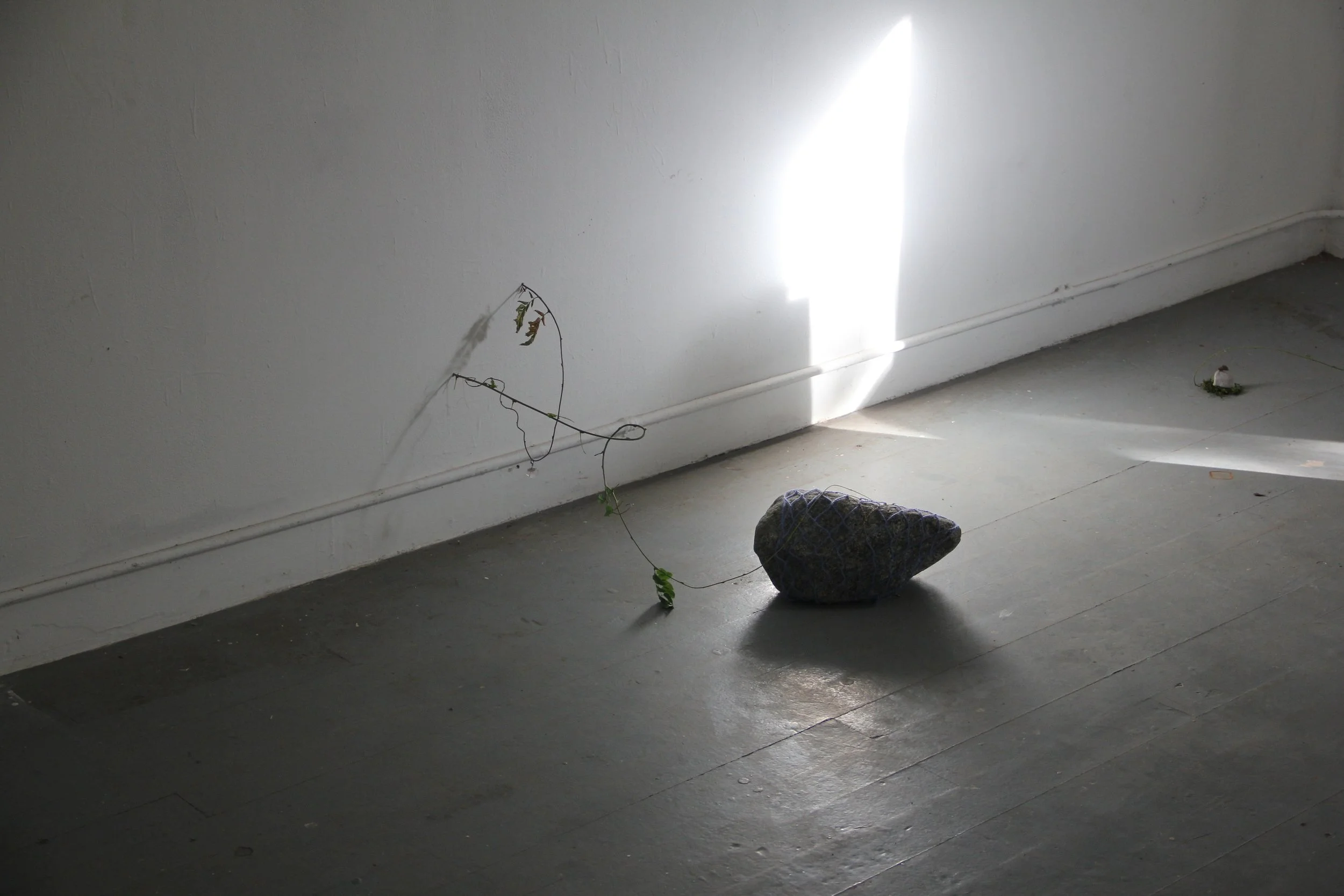
(install view ii)
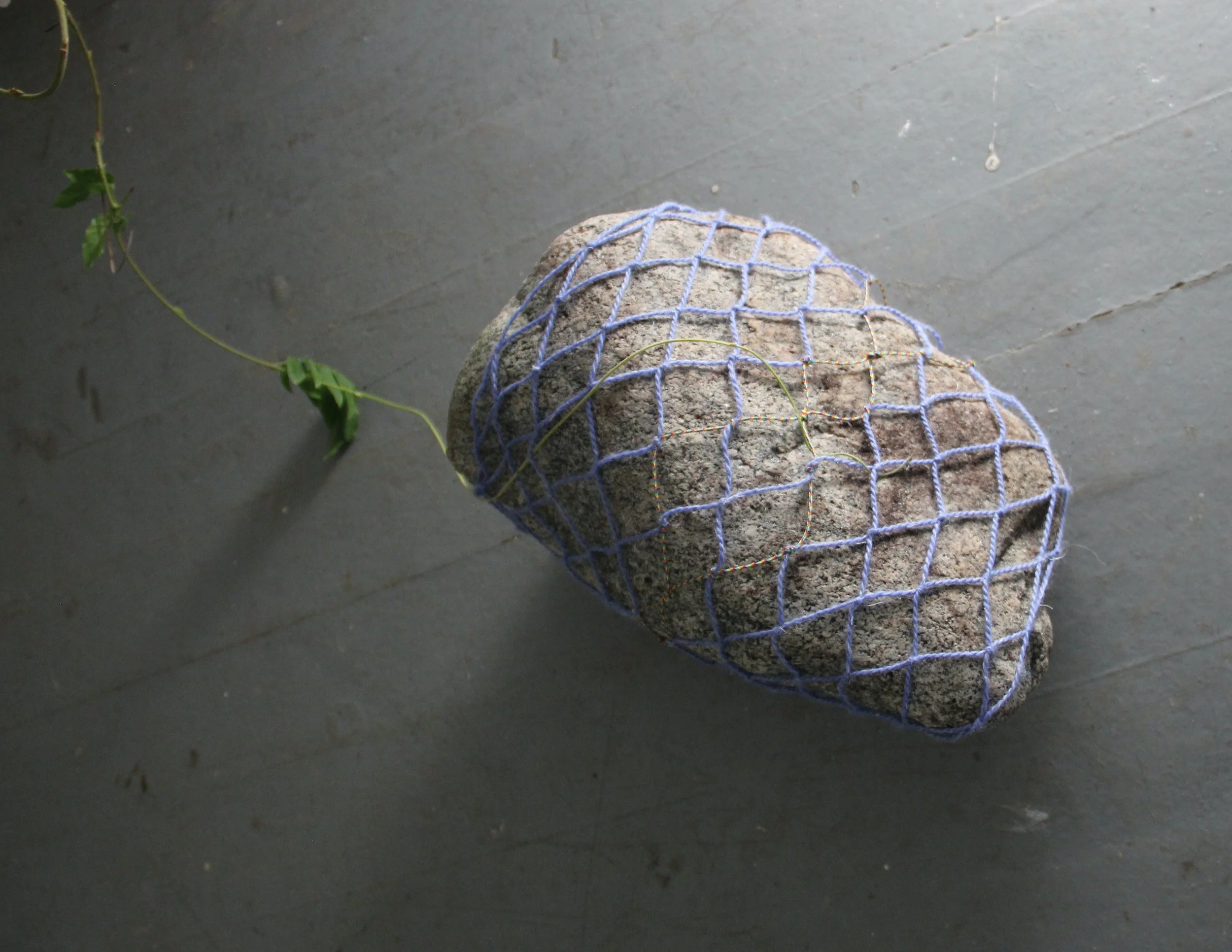
(detail i)
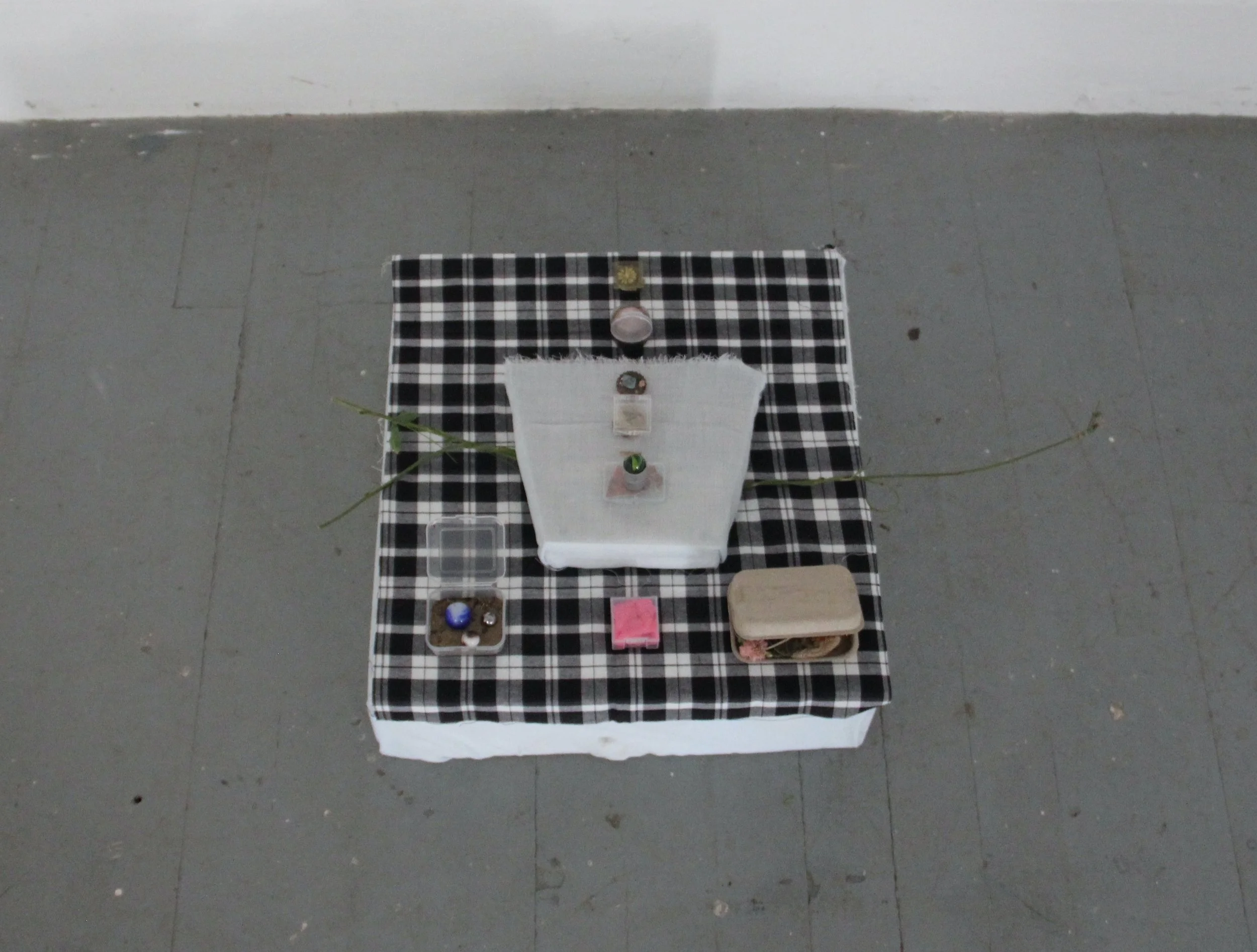
(detail ii)
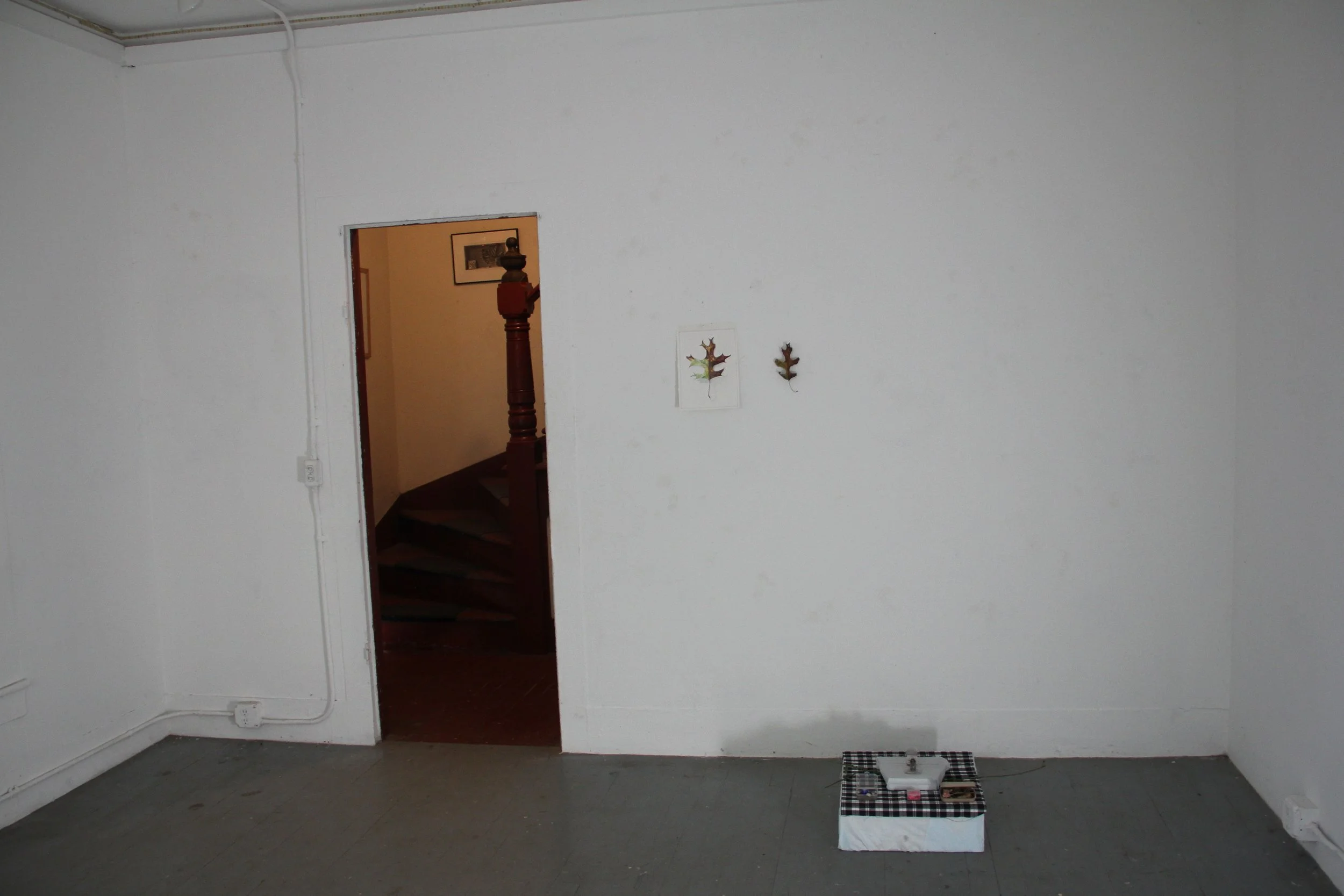
(install view iii)
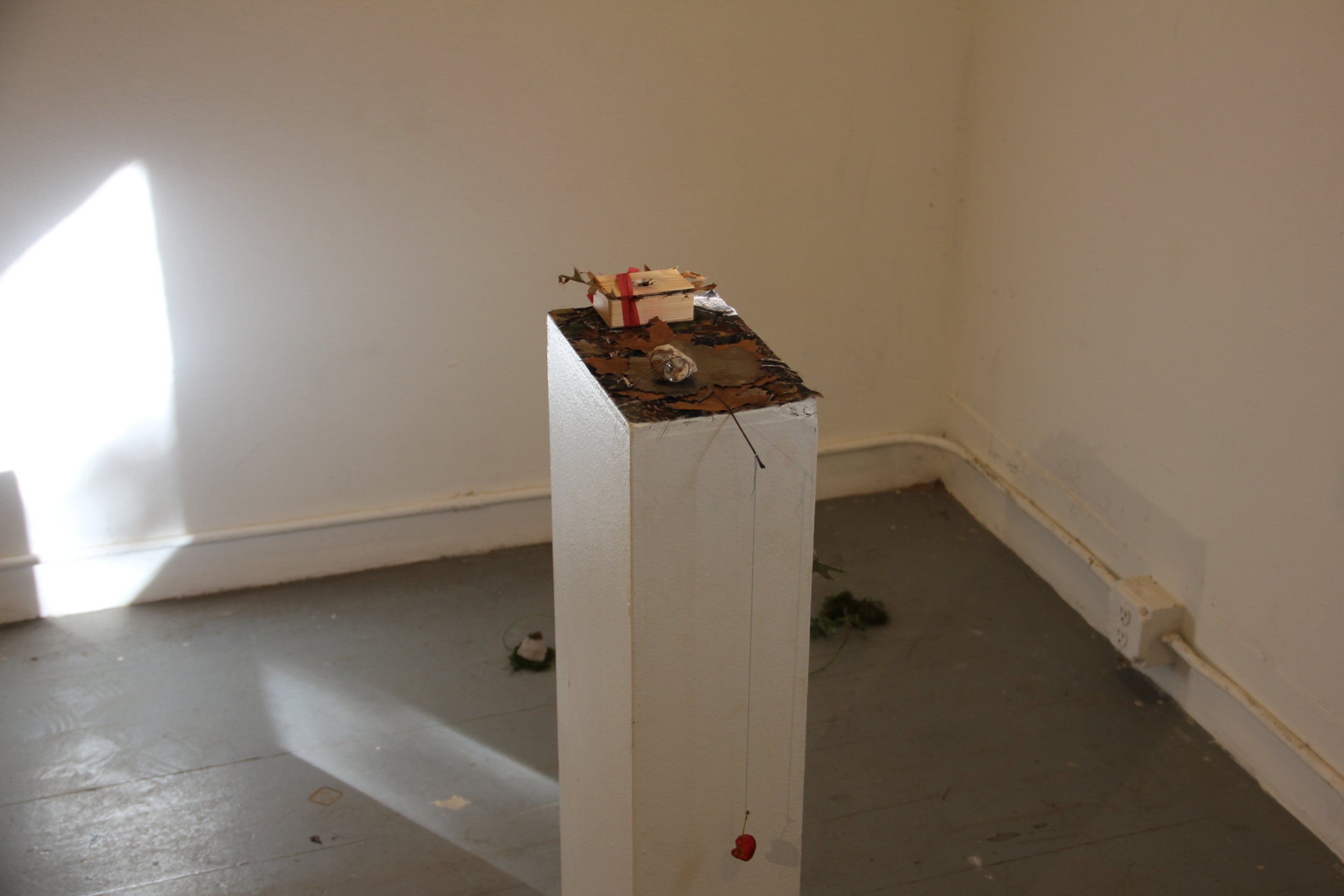
(install view iv)
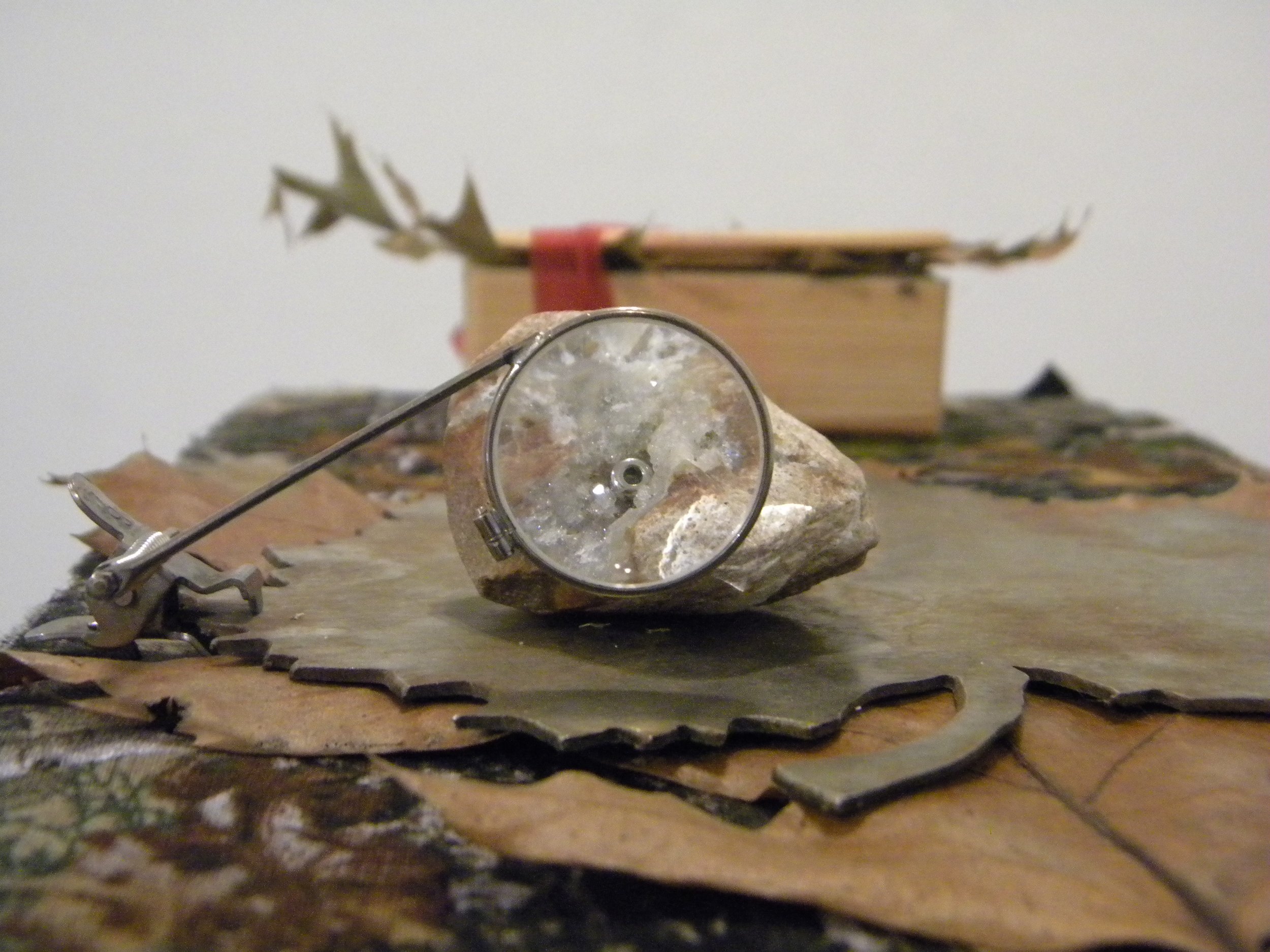
(detail iii)
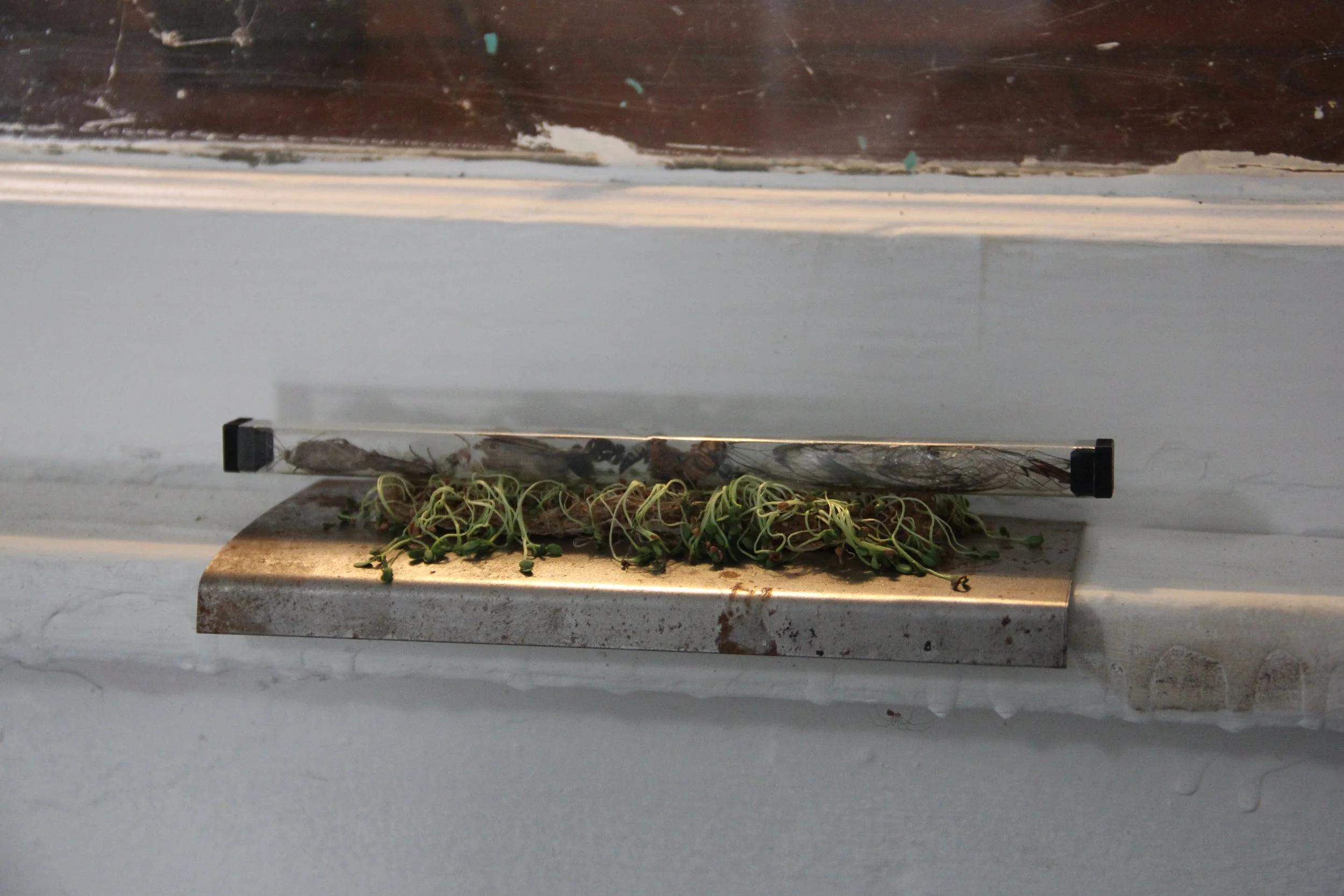
(windowsill detail i)
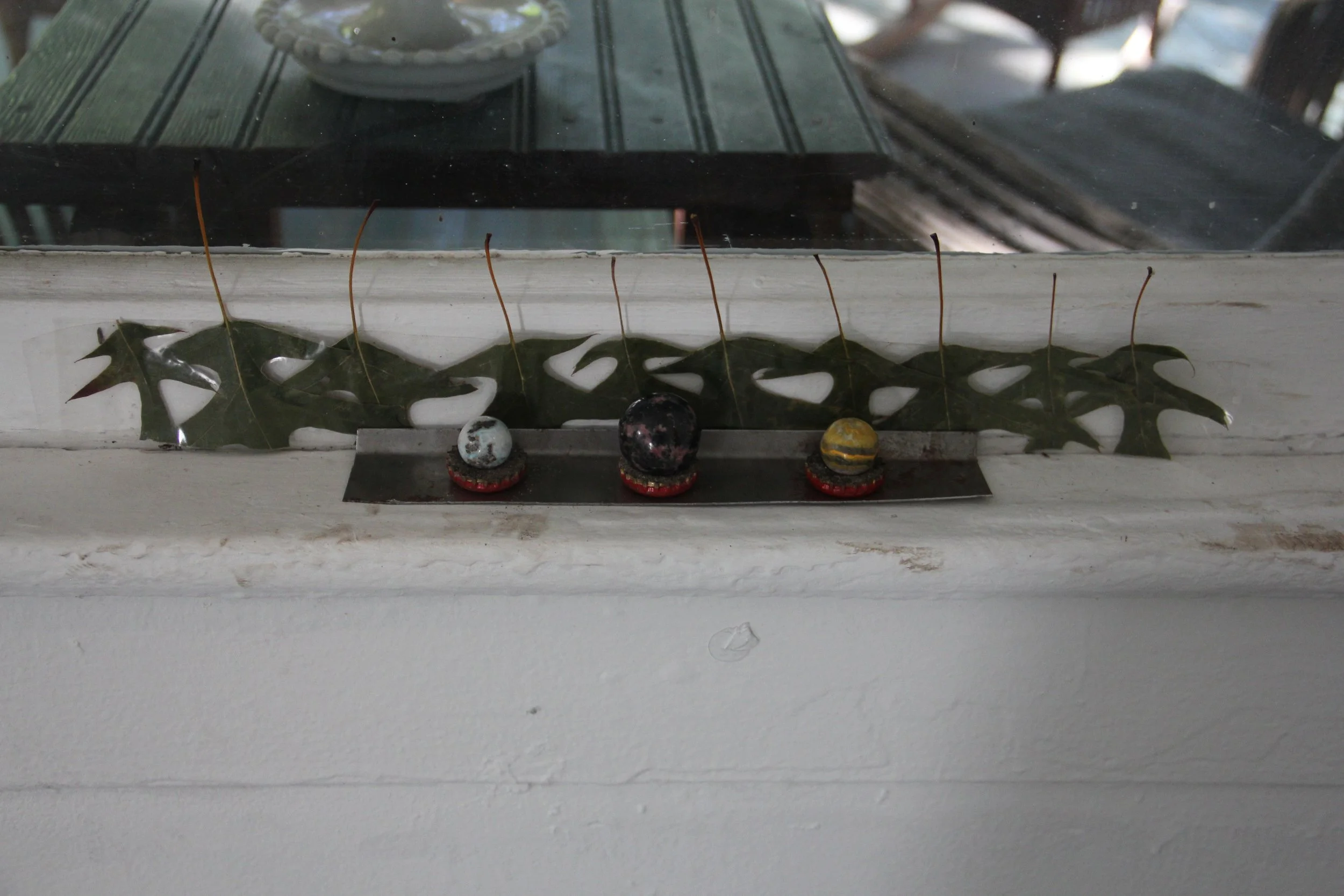
(windowsill detail ii)
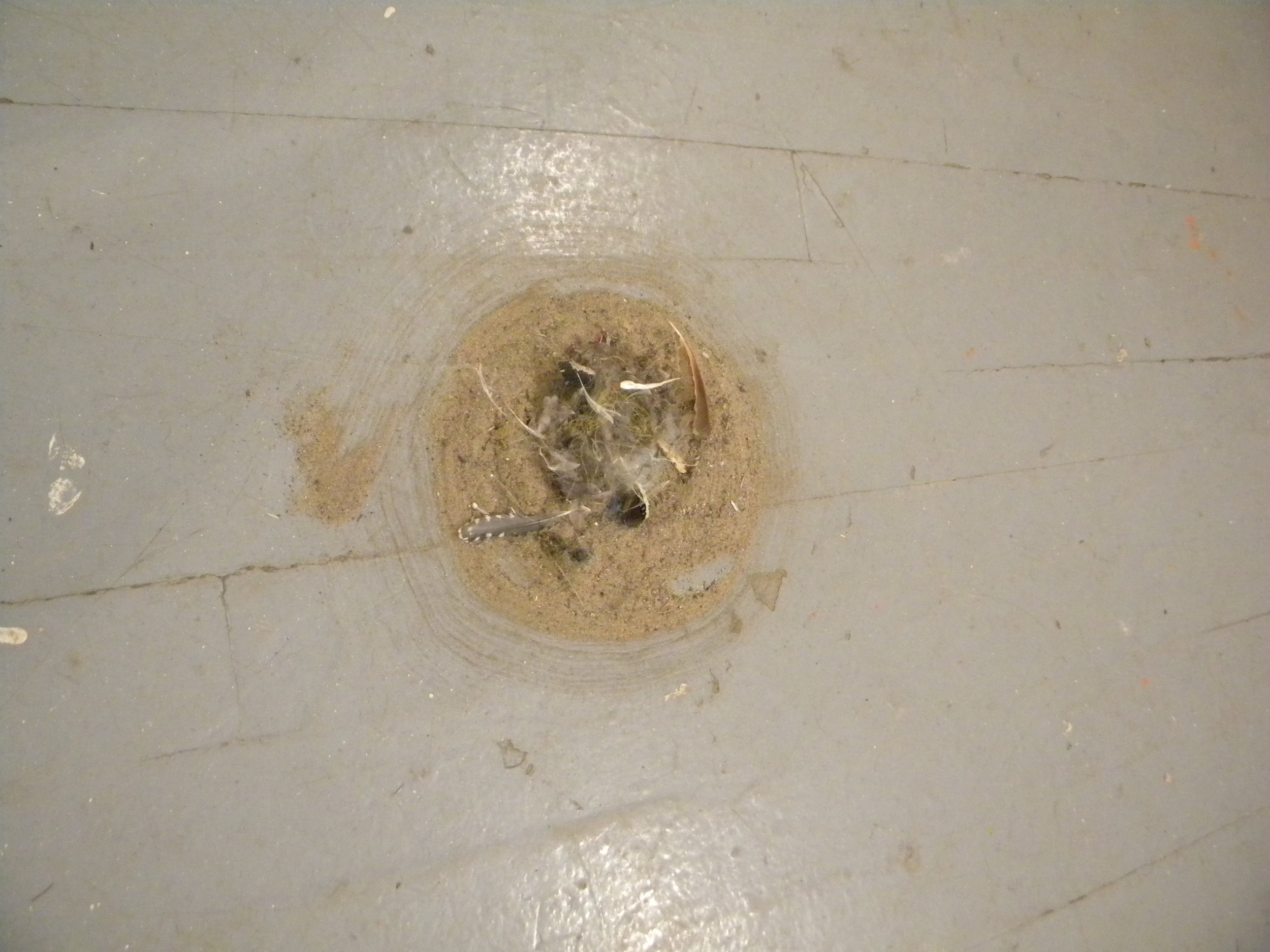
(swept pile detail)
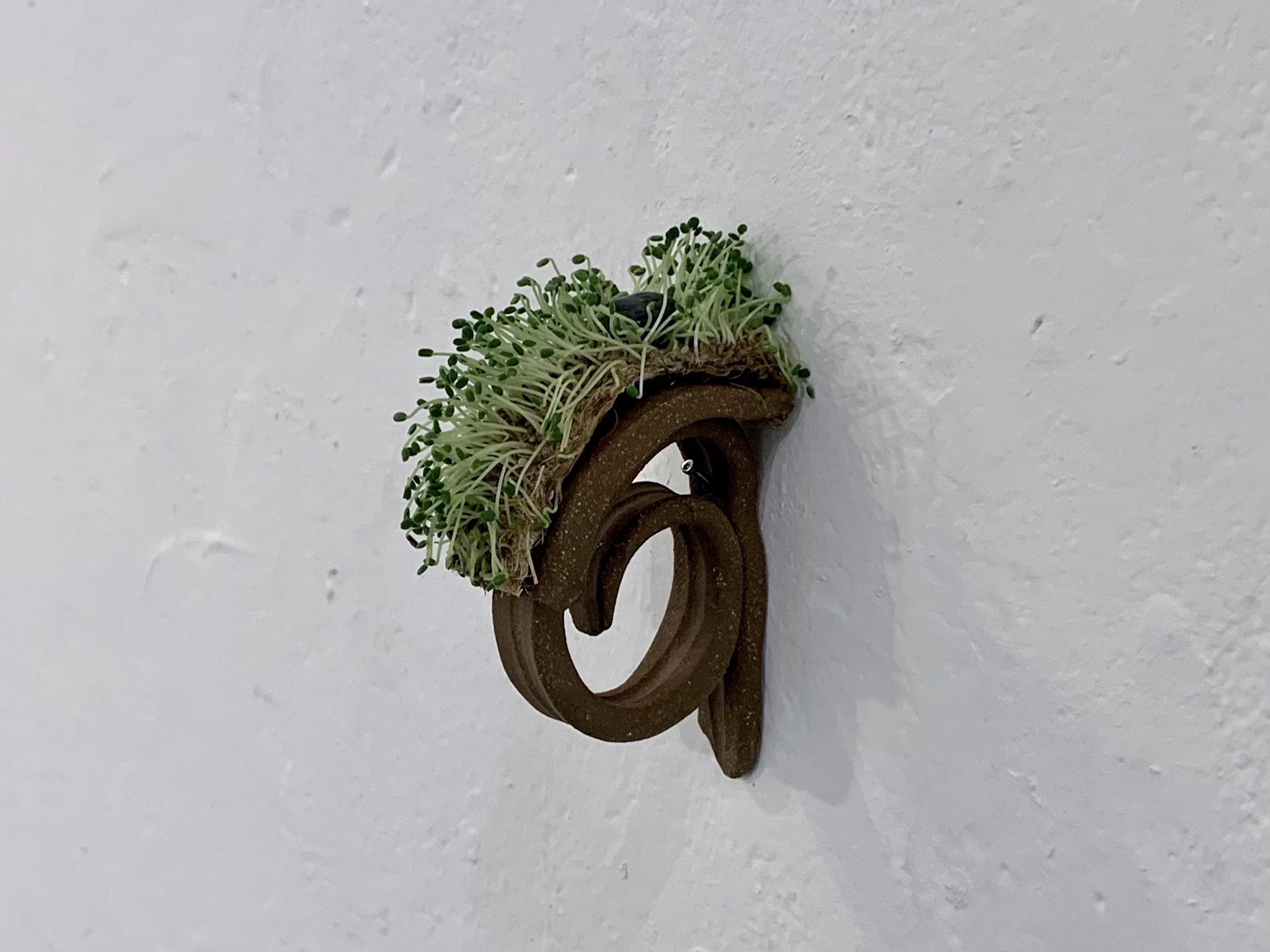
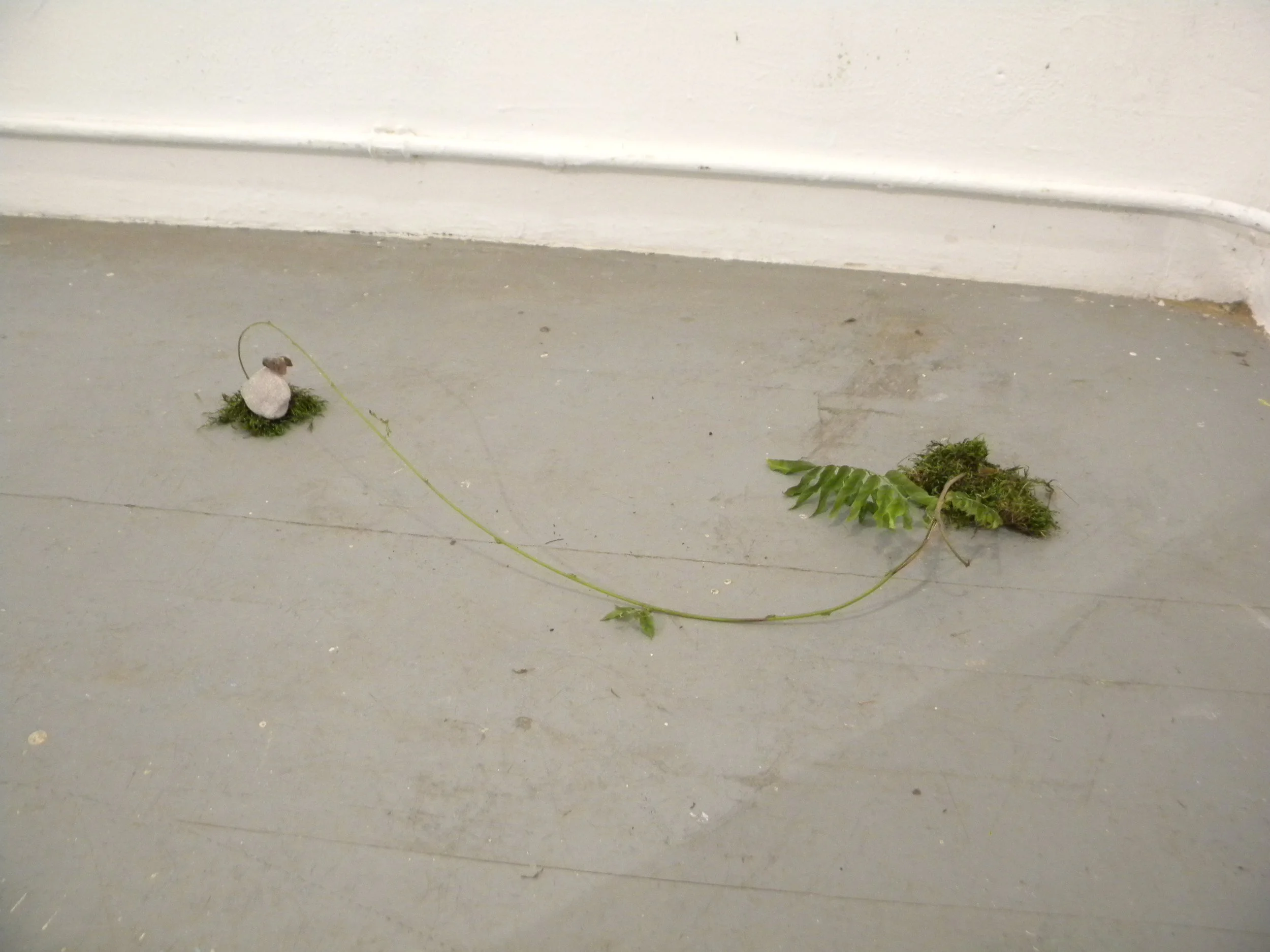
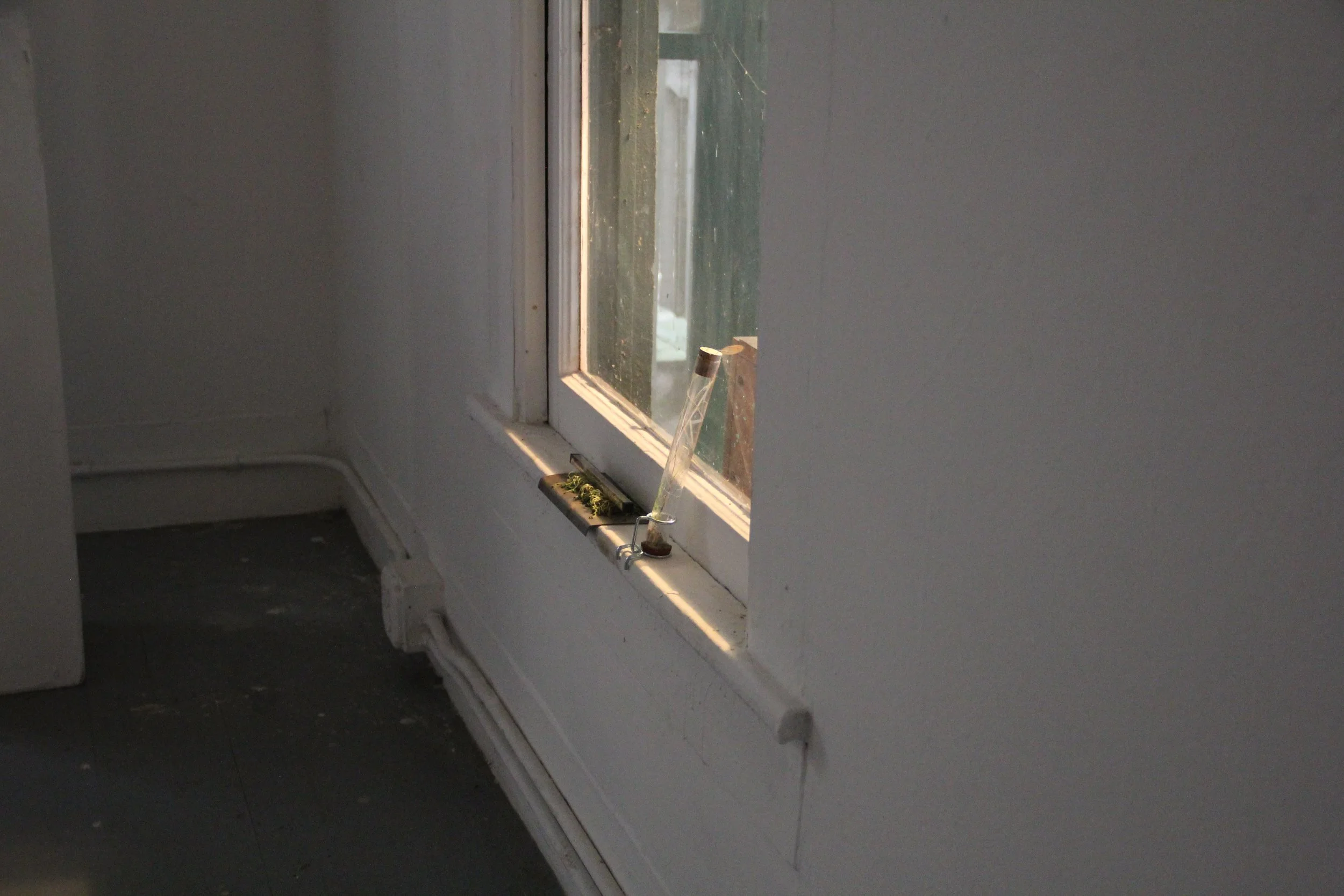
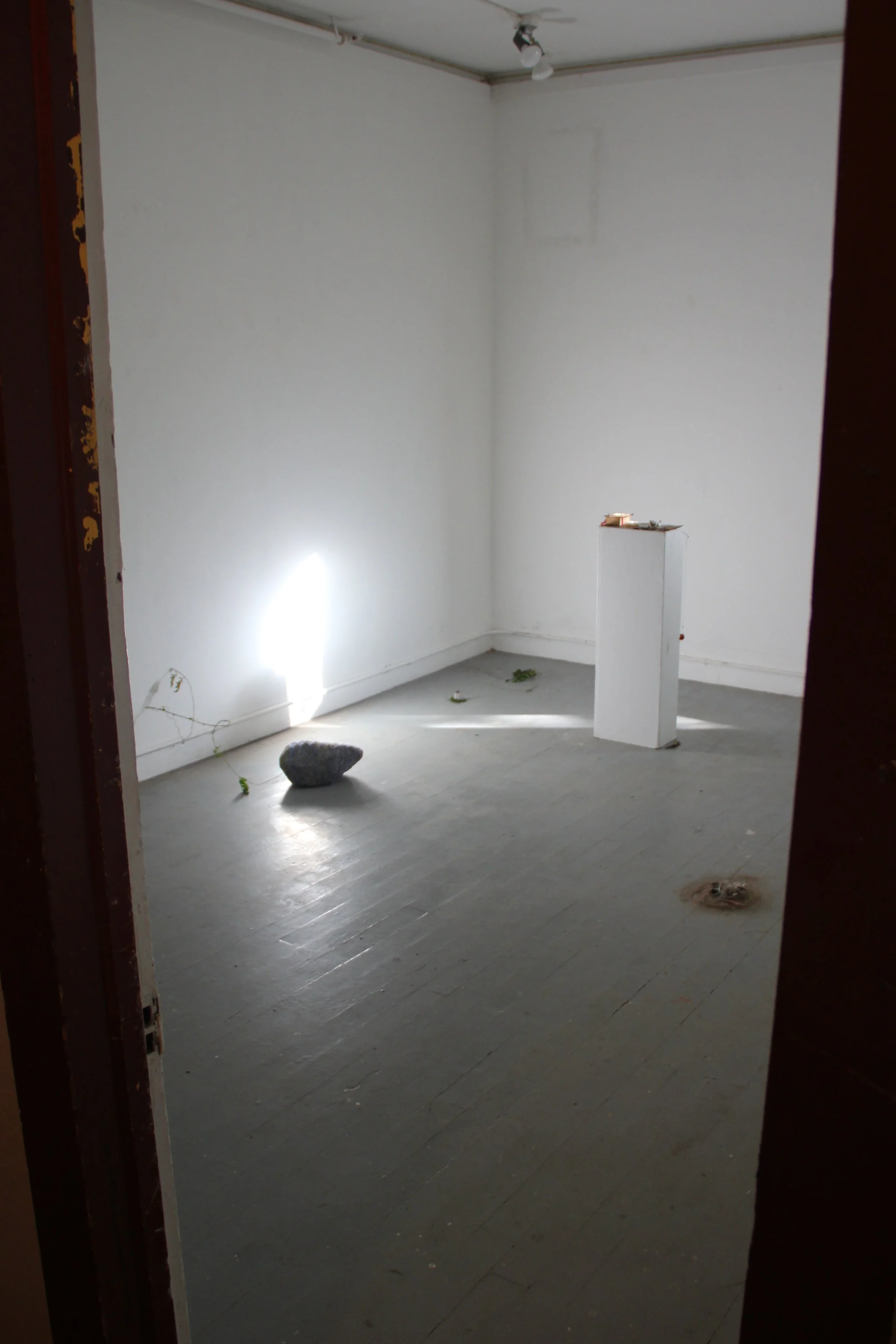
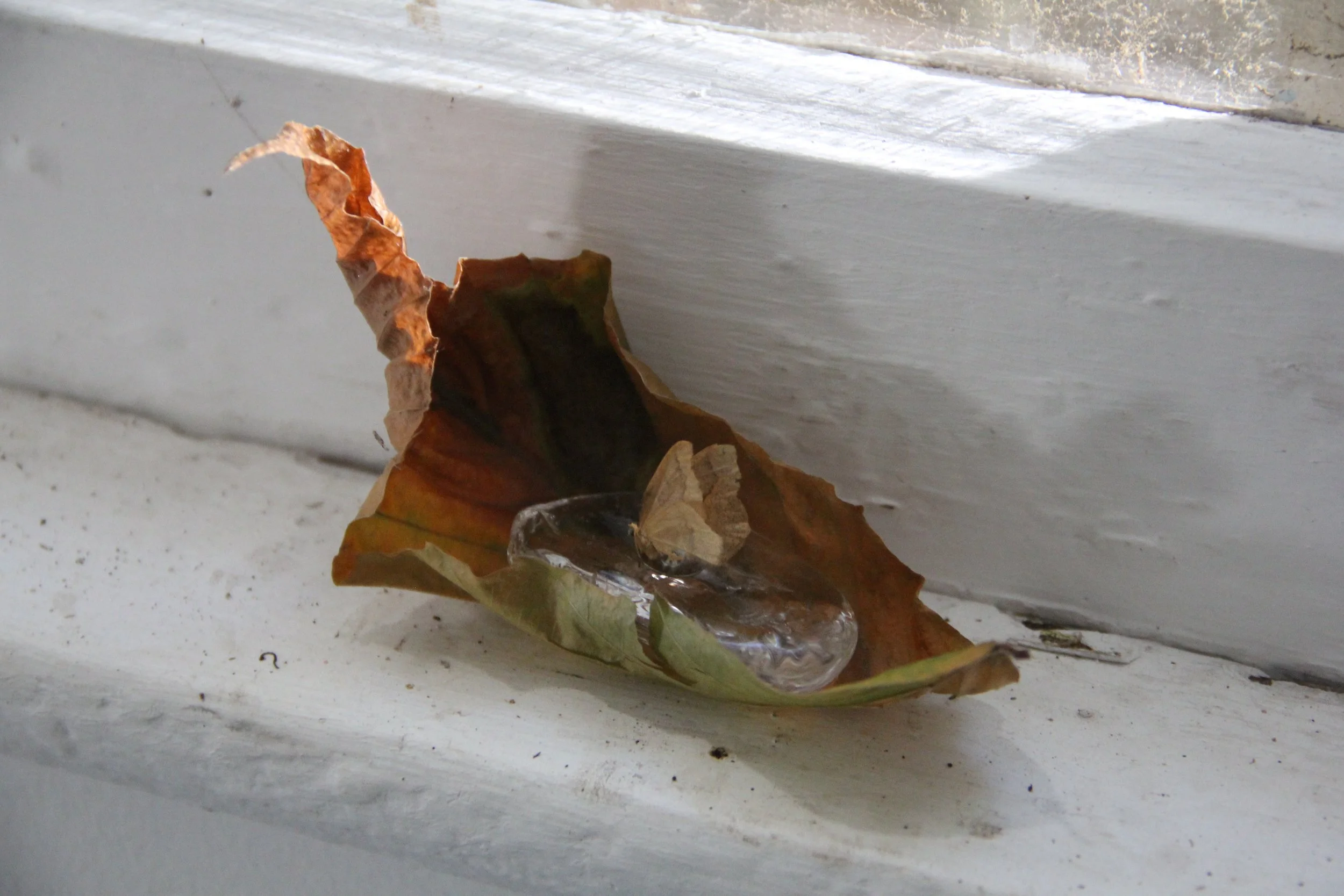
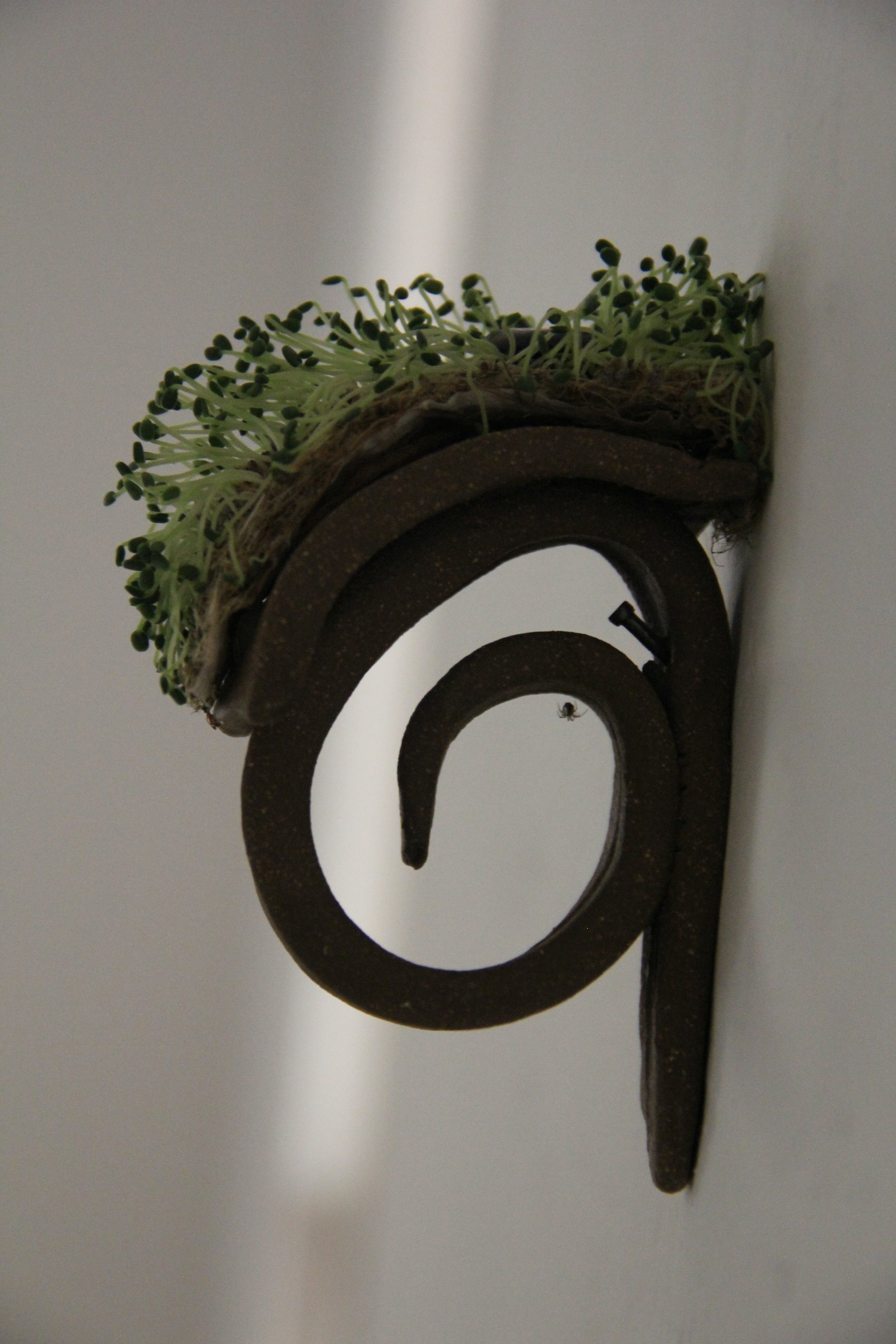
Rock Show (with inclusions), New Inn Cupola
group show with Mac Do, Mira Dayal, Madeline Jae Seto, Eliza Strong, Abril Barajas at OxBow School of Art - during Longform Residency
(Saugatuck, MI)
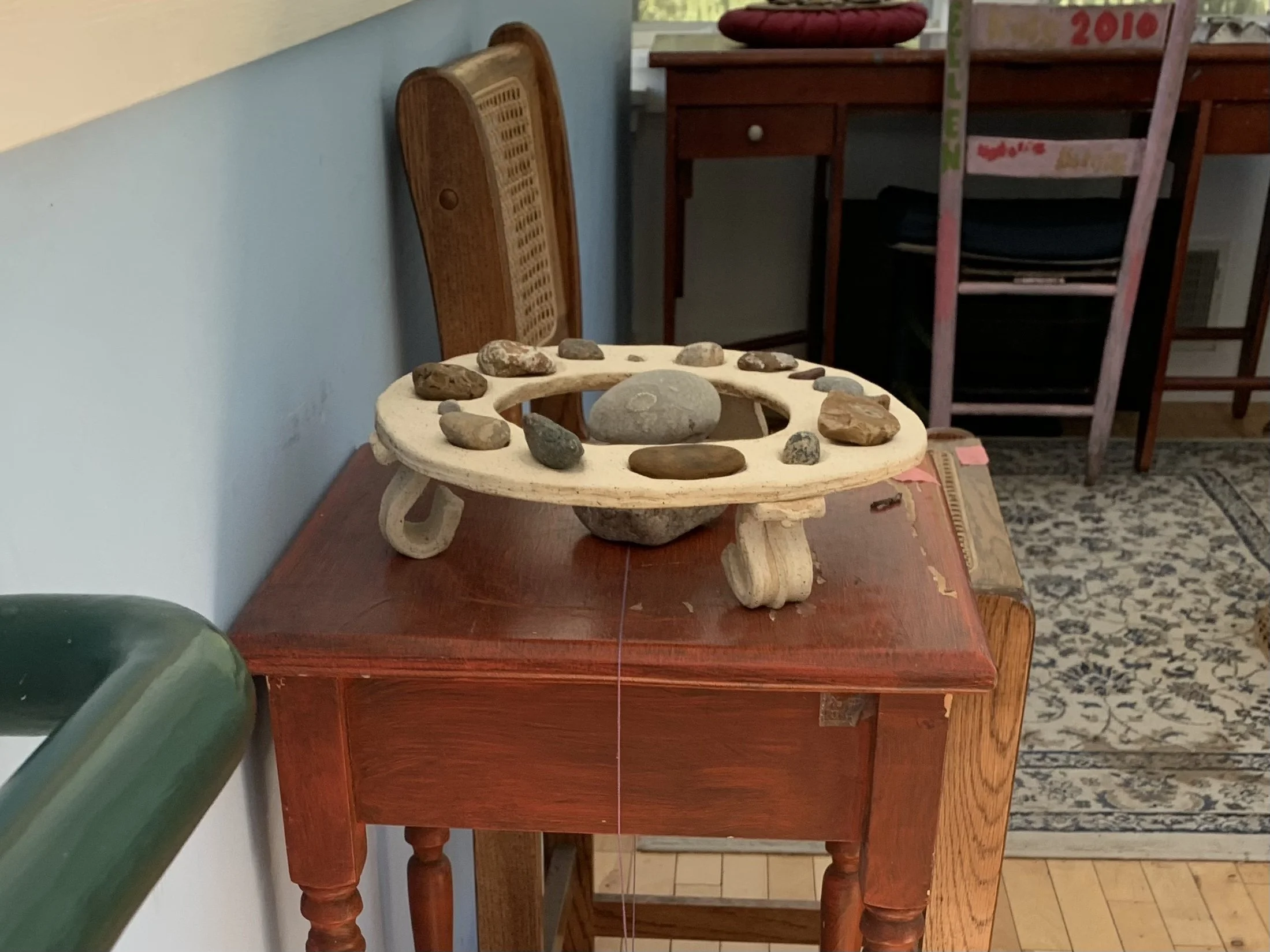
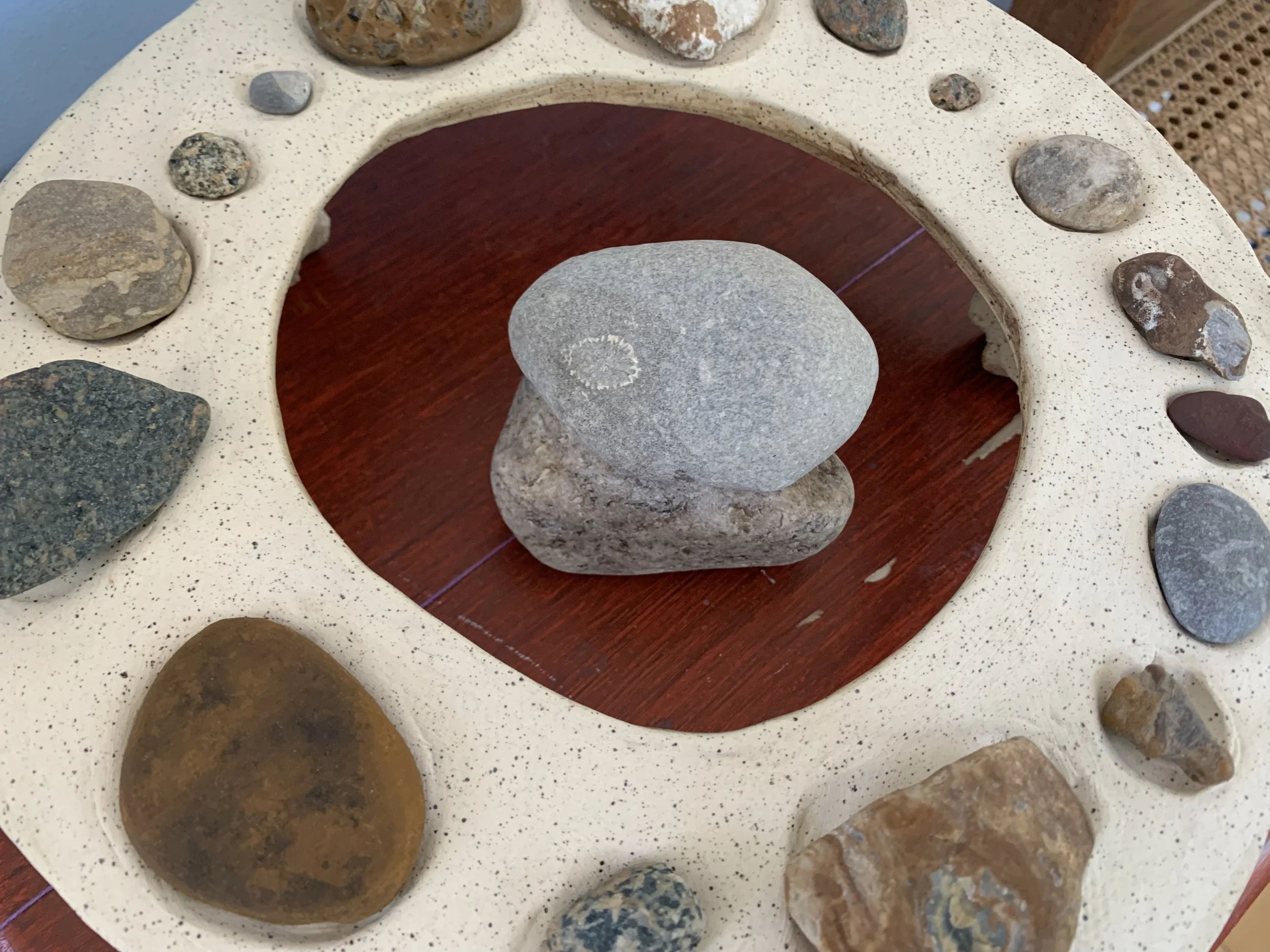
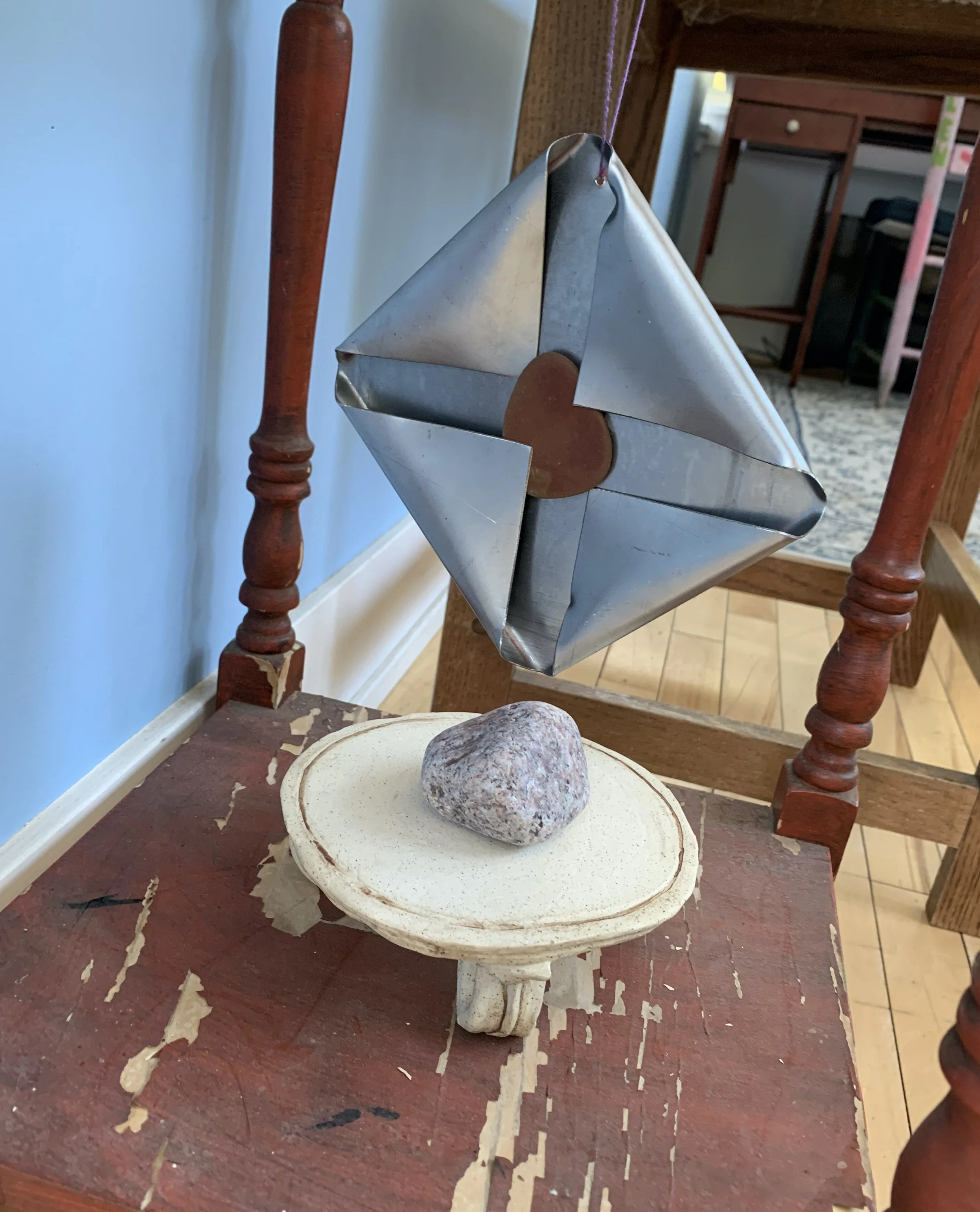
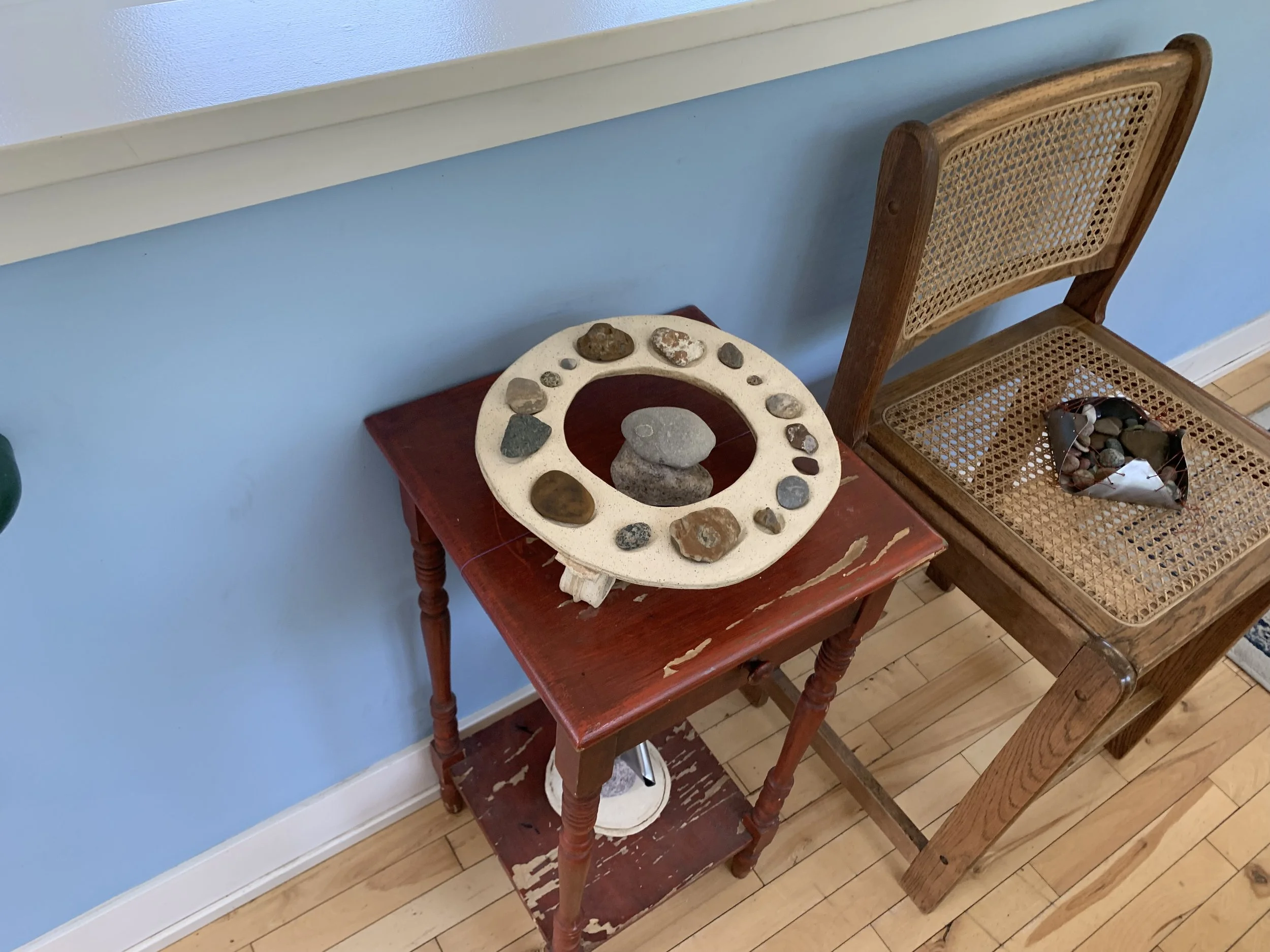
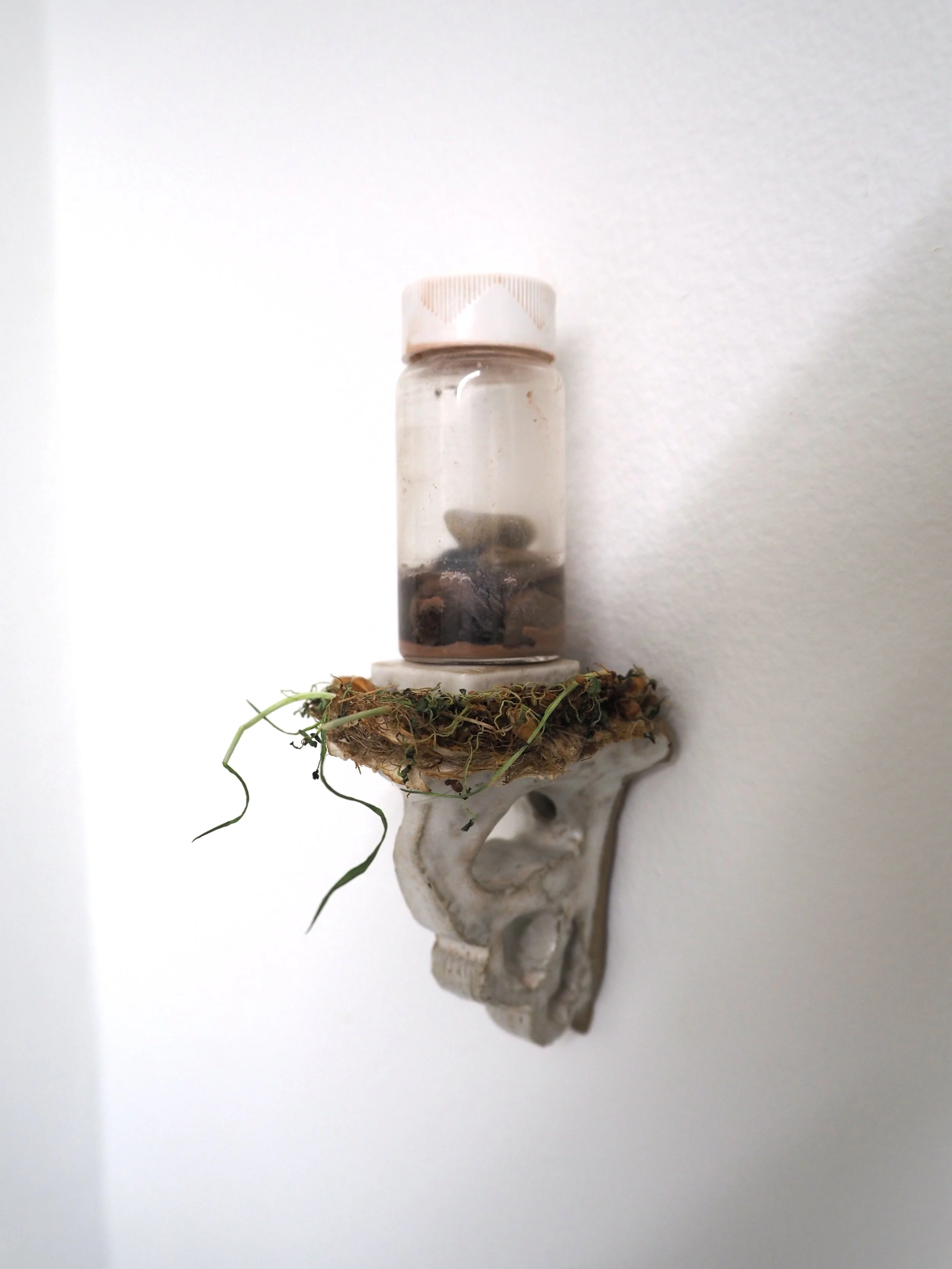
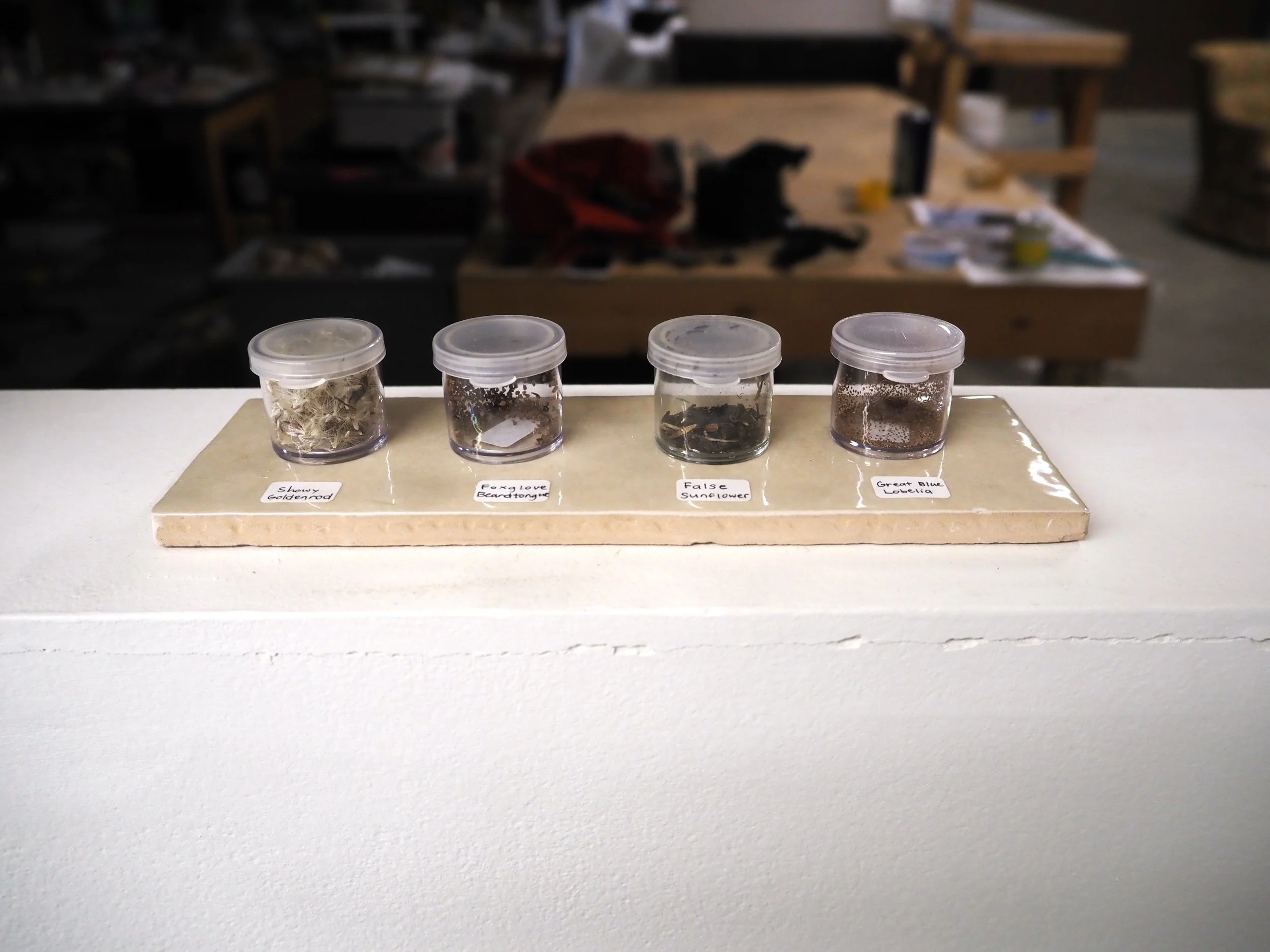
Heartland, Dream Clinic Project Space
“a place making potential”
glass jar, tap water, pebbles, clay, acorn, found square tile, sprouts (hard wheat, red clover, and alfalfa), hemp fiber, ceramic bracket, nail
plastic containers with seeds available as Takeaway (showy goldenrod, foxglove beardtongue, false sunflower, great blue lobelia)
(Columbus, OH)
Up to 85% of the wetlands in Indiana have been drained, dredged, and filled in the last century in order to create the illusion of prosperous farmland. The Grand Kankakee Marsh was once one of the largest continuous wetland systems in North America, and the watershed holds profound significance for the Potawatomi people of the Midwest/Great Lakes regions.
The few remaining wetlands in Indiana have seen their protected status increasingly diminish in the past few years, resulting in the loss of an additional 250 acres since 2021.
This work serves as an homage to the processes of this land- the droughts and erosion, the dust and floods. And the interconnectedness of it.
Against settler colonialism and highly industrialized agriculture, recognizing its inherent ability to strip the land of life and community, through far-reaching pesticides and environmental degradation. In opposition to seeing the land only for its monetary potential. Resistance to the process of breaking it down to the most elemental and disjointed parts, and in turn sacrificing the metabolism of the Earth’s Natural Systems.